
Published on January 31, 2024
Navigating Urban Wildlife in St. Albert – Moose, Deer and Coyotes
With over 900 hectares of parks and natural spaces, St. Albert is not only a thriving urban community but also a haven for diverse wildlife. While encounters with moose, deer and coyotes can be captivating, it's crucial to exercise caution and respect the boundaries of these wild creatures.
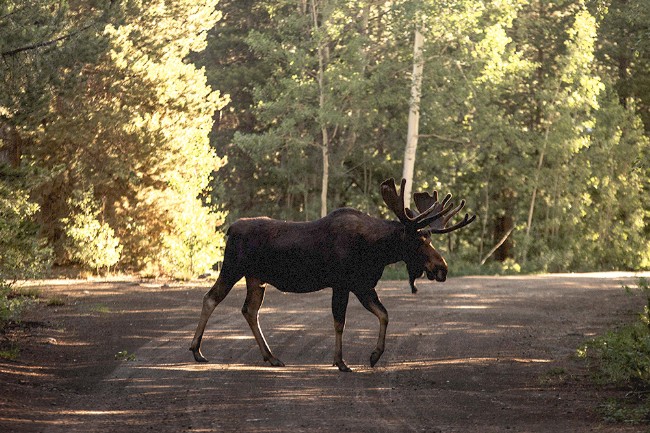
Moose: Majestic and Mighty
With their towering stature and calm demeanour, moose are a common sight in St. Albert - especially in Grey Nuns White Spruce Park. However, it is essential to remember that even seemingly friendly moose can pose risks if approached. With weights of up to 1,200 lbs and the ability to reach speeds of nearly 60 km/hr, moose demand a high level of caution. Here are some essential tips to stay safe when encountering a moose:
- Do not approach. Regardless of their appearance or demeanour, never approach a moose. This applies especially to young moose and large males.
- Maintain a safe distance. Keep a distance of at least 36 metres (120 feet) between you and the moose. Respect their space to avoid any defensive reactions.
- Do not feed. Feeding wildlife causes habituation and changes in behaviour. They may become more aggressive and less fearful of humans, increasing the risk of human/wildlife conflict. It can also result in fines under the Wildlife Act or Parks Bylaw.
- Leash your dogs. Moose perceive dogs as threats and encounters can escalate quickly. Keep your dogs on a leash and maintain a safe distance.
- Watch for aggression. Agitated moose may exhibit various warning signs, including raised neck and back hairs, ears going back, snorting, lip licking, a lowered head and swaying back and forth. If charged by a moose, run away as fast as possible and seek refuge behind a tree, building or other object. Do not attempt to scare the moose by yelling or throwing items. If knocked down, curl into a ball, cover your head and do not fight back.
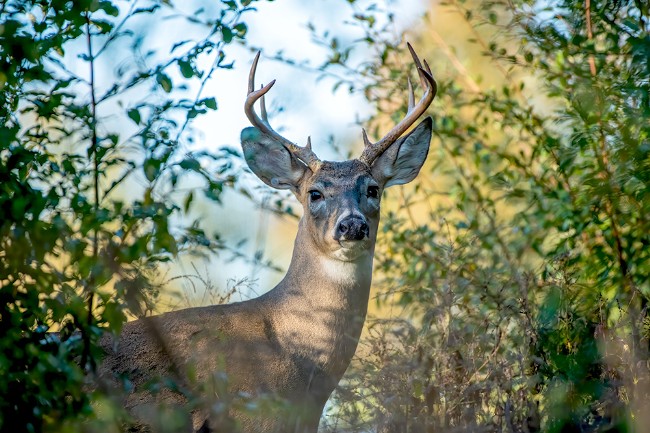
Deer: Timid Yet Protective
Deer, typically timid and quick to flee, can become surprisingly aggressive when protecting themselves or their young. Here's what you need to know:
- Maintain your distance. Always keep a safe distance. If it appears that the deer will not run away as you approach, walk around the deer, giving it a lot of space, or back away and find another route.
- Avoid fawns. Never approach young fawns left alone. Their mothers will return, and proximity may lead to defensive behaviours.
- Handle backyard encounters wisely. If a deer enters your backyard, allow it to find its own way out. Bring pets and children inside to reduce stress on the deer.
- Avoid dog antagonism. Do not let your dog bark at or approach the deer. This can further stress the deer and lead to aggressive, self-defensive behaviours.
- No feeding. Deer can find their own food. Avoid leaving out salt blocks or other items that may attract larger predators that prey on deer. It’s also a good idea to remove all food sources that may attract deer, such as fallen apples and bird seed spilled from bird feeders.
- Protect your landscaping. Employ home remedies such as heavily scented soaps, commercial repellents, fencing or deer-resistant landscaping to deter deer from feeding on your plants.
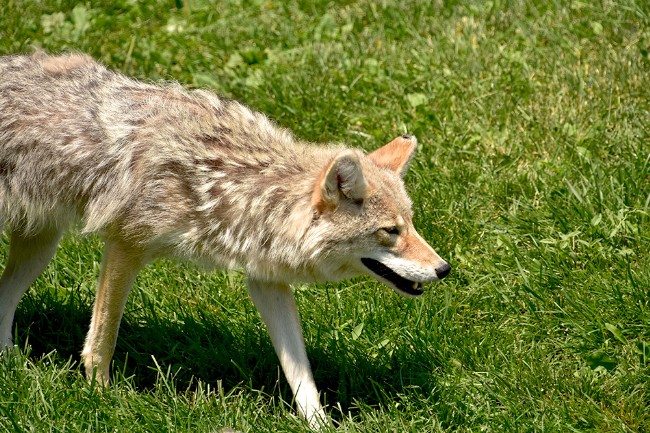
Coyotes: Urban Opportunists
Adaptable and opportunistic feeders that will shift their diet to take advantage of the most available prey, coyotes play a unique role in St. Albert's urban ecosystem. To coexist peacefully with these creatures, consider the following:
- Reduce attractants. Work with neighbours to eliminate potential attractants, such as pet food, garbage, fallen fruit, bird seed and dog feces.
- Secure your yard. Ensure that your yard is secure by locking gates and closing openings under fences and decks.
- Never feed wildlife. Refrain from feeding any wildlife, including coyotes, as it disrupts their natural behaviour and can increase the chances of future conflicts.
- Control your pets. Keep pets contained and under control to avoid conflicts with coyotes.
If you find yourself face-to-face with a coyote, follow these guidelines to ensure a safe encounter:
- Display assertive behaviour. Treat coyotes assertively, particularly in residential areas, to maintain their natural fear of humans. Make yourself appear larger by waving your arms overhead.
- Use hazing techniques. Hazing techniques, like throwing objects toward the coyote or carrying a protective stick or a can containing coins, can be employed for a deterrent effect.
- Stay put. Refrain from turning or running away from the coyote, as this may encourage them to give chase.
By adhering to these guidelines, we can foster a safe environment for both residents and wildlife in St. Albert. Let's respect the natural habitats of these animals and appreciate their presence from a safe distance. Together, we can ensure a harmonious coexistence with the diverse wildlife that enriches our community.
Want to stay informed?
Receive weekly updates by subscribing to City Highlights
Related Pages


Last edited: January 31, 2024