
Road Rehabilitation
End of Lifecycle
Rehabilitation is used when the road is near or past the end of its lifecycle. When this occurs, there are very few other options except to reconstruct the full road. This is the most expensive option and most time-consuming.
Full Depth/Cold In-Place Recycling
- Full Depth Recycling (FDR) and Cold In-Place (CIR) are treatments that reuse a portion of the existing roadway structure.
- FDR utilizes a train of machines that grind the existing materials in the road base and mix them with cement or foam to renew the road. A new road surface is then placed after being restored.
- FDR is considered to be an environmentally-friendly method of rehabilitation, as fewer materials are wasted. This method is also known to take less time than reconstructing the road in its entirety.
- CIR is similar to FDR; however, it only focuses on the top layers of the road. This method recycles the asphalt in place as opposed to the full structure.
Full Reconstruction
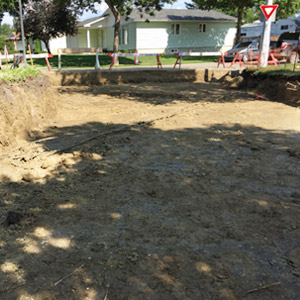
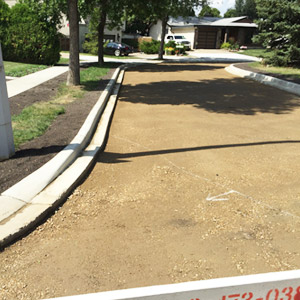
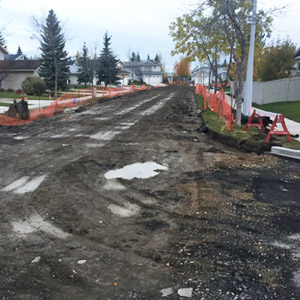
- Rehabilitation method that removes and replaces the full structure of the road.
- It is used on roads that have experienced significant distress or when other treatments will not work.
- Reconstructed roads with preservation and rehabilitation treatments last 20 to 25 years.
- The most expensive method as the entire road needs to be rebuilt. Reconstruction costs are 10x higher than a restoration treatment and 20x higher than a preservation treatment. Reconstructing a road has the highest impact on users and residents.
Resources
Project Highlights - Information Boards
Interactive Map
Check out the City’s new robust interactive Construction Projects Map that outlines the construction projects planned for this year.
Launch the MapRelated Pages

Last edited: August 4, 2026